Interested in reducing carbon emissions at home?

Approximately 20% of total CO2 emissions in the US come from the residential sector. When you reduce energy usage at home, you can personally reduce your carbon emissions. Below are some ways to get started.
BHC_SHC510

Energy Efficiency Updates

Reducing energy consumption means less carbon emissions from your home.  Here are some low-cost ways to improve the efficiency of your home’s energy usage

  • Use efficient LED lighting
  • Eliminate air leaks with insulation (ex: attic, water pipes, windows)
  • Utilize a programmable thermostat that allows you to control the temperature of your home with ease simply by programming your desired settings.
Learn More Thermostat Best Practices

Higher-Efficiency Equipment Upgrade

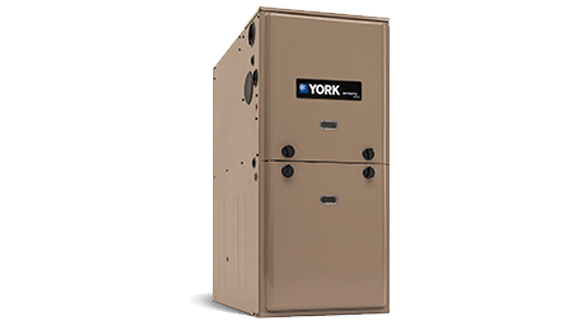
According to the Department of Energy, you should consider replacing your system if it is more than 10 years old, as you can save 20-40% in energy costs. For maximum efficiency, look for equipment with the highest seasonal energy efficiency ratio (SEER). This higher-efficiency equipment delivers premium performance with lower energy consumption. In addition, they often qualify for financial rebates. Specifically, heat pumps have become an increasingly attractive equipment option for those looking to significantly reduce carbon emissions at home.
See Rebates and Incentives >

What Is A Heat Pump?

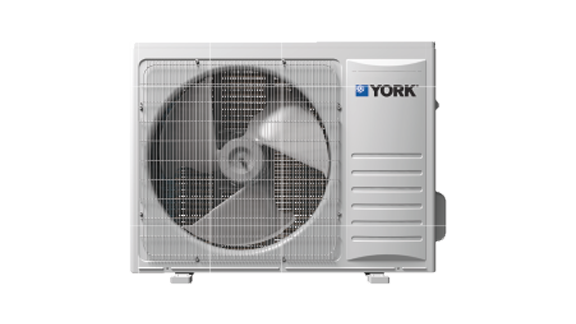
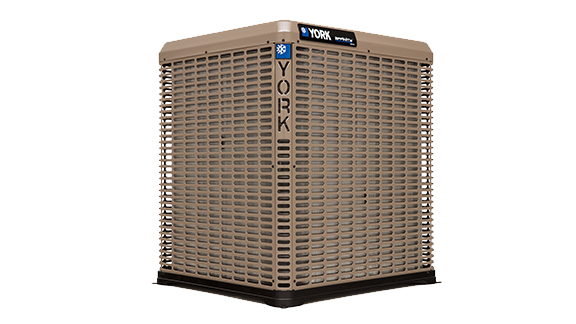
In all climates, including those with very cold weather, heat pumps offer an energy-efficient alternative to running an air conditioner with a gas furnace. Like your refrigerator, heat pumps use electricity to transfer heat from a cool space to a warm space, making the cool space cooler and the warm space warmer. During the heating season, heat pumps move heat from the cool outdoors into your warm house. During the cooling season, heat pumps move heat from your house to the outdoors.

Learn More

Dual Fuel Options

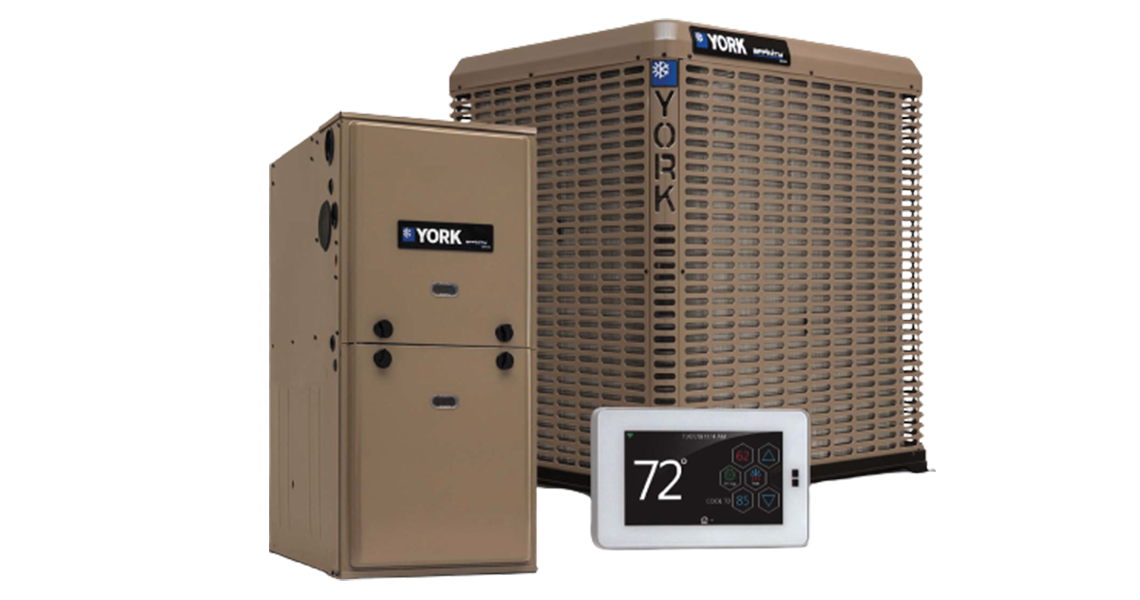
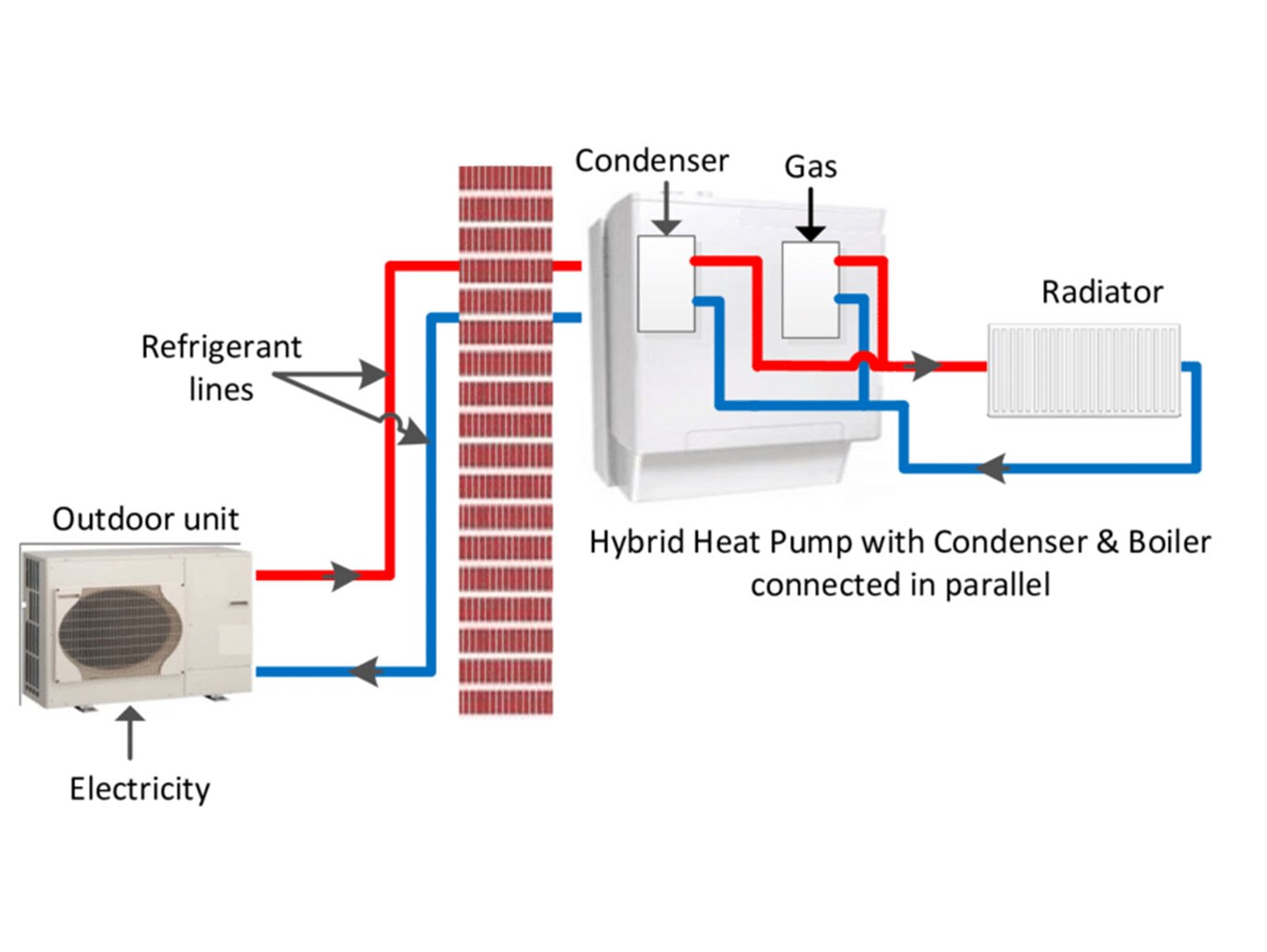
While heat pumps provide both heating and cooling, they have to work overtime at extremely low temperatures, which isn’t always the most cost or energy efficent solution. A dual fuel system is a great solution for colder climates with four seasons. Dual fuel systems take the best qualities of a heat pump and gas furnace to provide you with energy-efficient home comfort no matter the temperature outside.

  • Heat pump as the primary source of heat
  • Indoor Furnace only runs when heat pump cannot meet the current heating demand (Usually 40 degrees or less)
  • Utilizes existing ductwork and refrigerant line sets
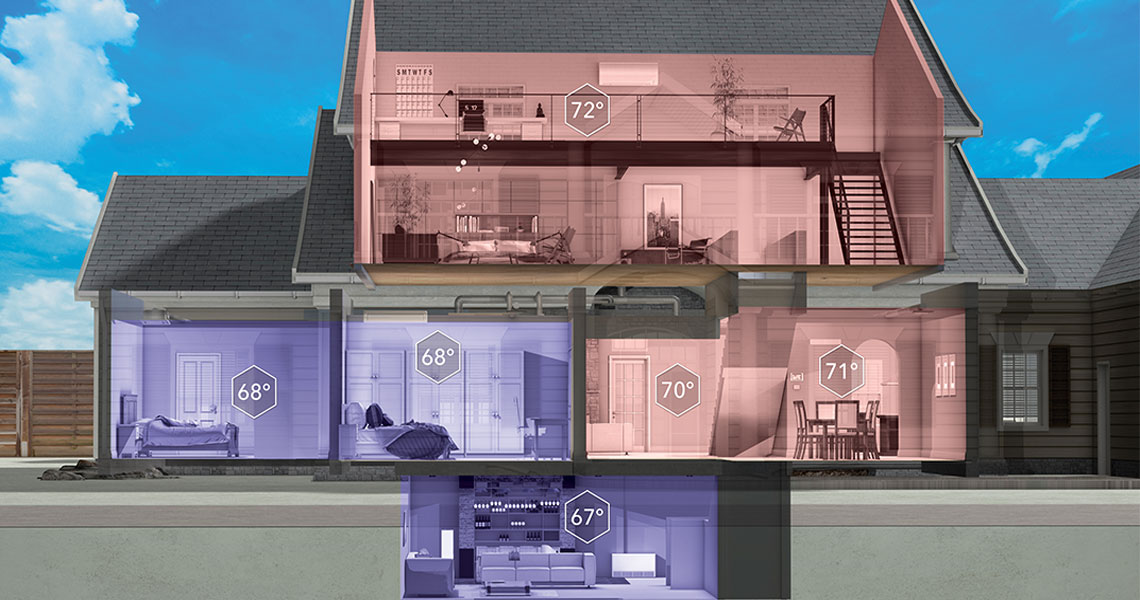
Zoned Heating & Cooling System

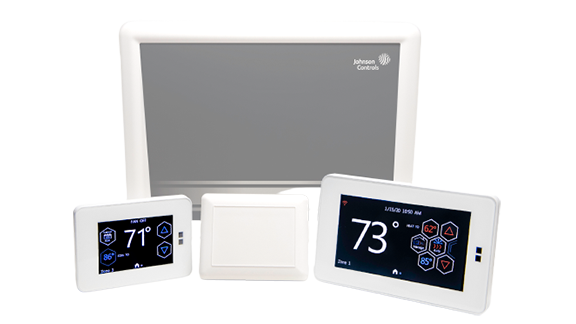
Pair your HVAC equipment with a zoning system that allows you to heat or cool multiple areas of your home separately.  Pair a heat pump and zoning system for even greater efficiency. Many zoning systems are compatible with smart home assistants and can be accessed through a touchscreen hub or smartphone.
Learn More >

Resources & Education

Energy Saver
There are financial incentives and assistance for energy efficient and renewable energy products and improvements in the form of rebates, tax credits, or financing programs.
Energy Star
There are financial incentives and assistance for energy efficient and renewable energy products and improvements in the form of rebates, tax credits, or financing programs.
Inflation Reduction Act of 2022
On August 16, 2022 the Inflation Reduction Act was signed into law with the largest climate investment in US History, including a focus on Energy-Efficient Homes and Commercial Buildings.
Energy Efficient Home Improvement tax credit
Also known as 25C in the Inflation Reduction Act, allows households to deduct from their taxes up to 30% of the cost of upgrades to their homes, including high-efficiency HVAC equipment, insulation, and upgrading breaker boxes to accommodate additional electric load. Upgrade costs include both equipment and installation/labor costs.
High-Efficiency Electric Home Rebate Act
The High-Efficiency Electric Home Rebate Act is a program within the recently passed Inflation Reduction Act. It offers historic support for clean energy, including significant incentives for homeowners. It provides a consumer rebate program of up to $8,000 for a heat pump installation.
The Office of Energy Efficiency
The Office of Energy Efficiency and Renewable Energy (EERE) is dedicated to improving the energy and material efficiency, productivity, and competitiveness of American manufacturing and the industrial sector.
The NEWSMakers Podcast: Decarbonization and the HVAC Industry
ACHR (Air Conditioning Heating Refrigeration) NEWSMakers podcast talks DeCarbonization with Mark Lessans, Sr. Director of Sustainability and Regulatory Affairs at Johnson Controls.
Center for Climate and Energy Solutions
C2ES introduced Climate Innovation 2050, which brings together more than four dozen leading companies to examine pathways toward decarbonizing the U.S. economy.

Speak to an HVAC Expert

Find a Dealer